Tag Archives: 1940s

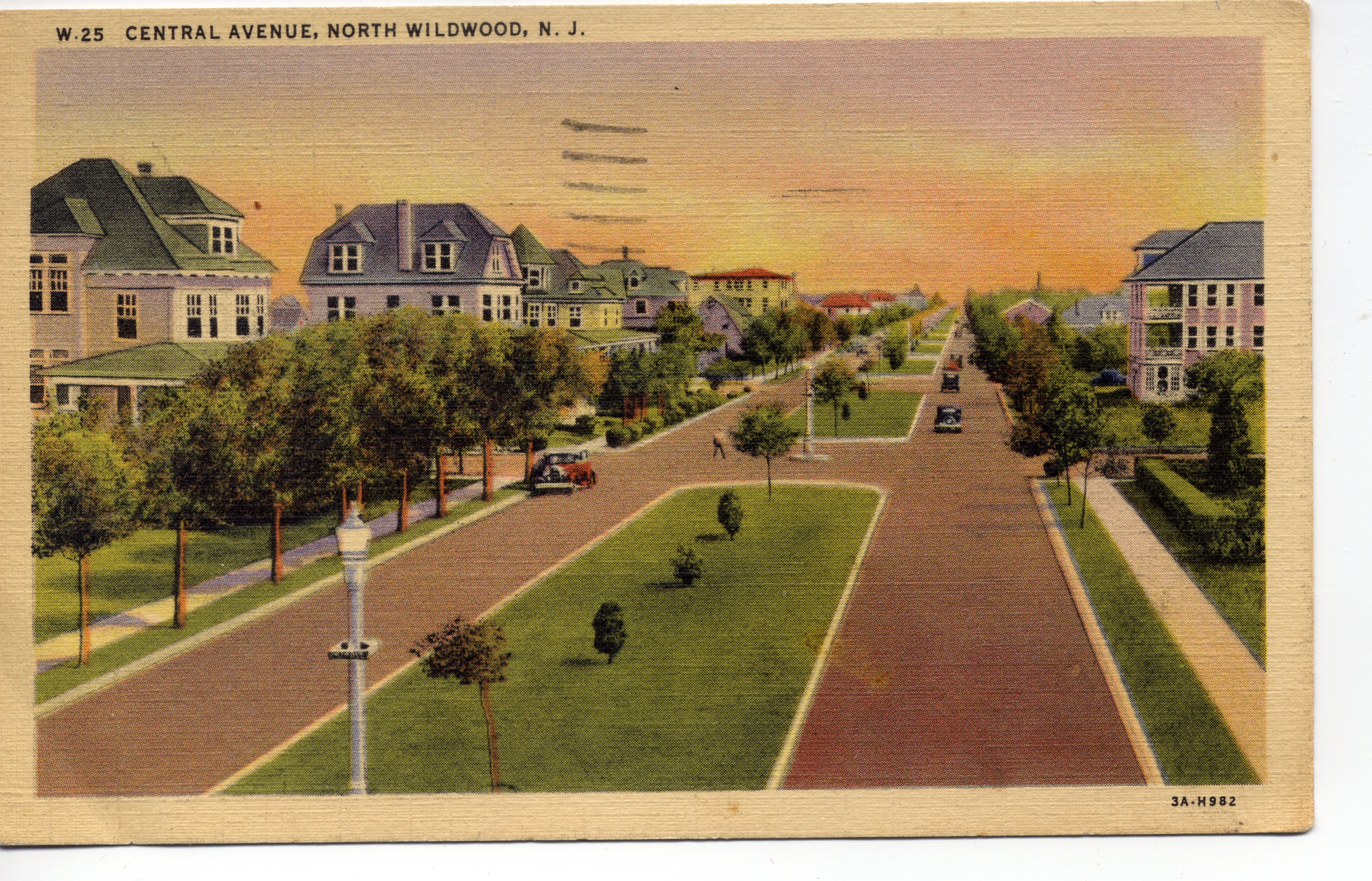
Wildwood, 1942 (A Love Story)

Dear Diary,

I made it. Wildwood, New Jersey. The cousins’ house is beautiful, right on Central Avenue, and I even have my own room! It’s a shame I did not know, or I would have brought more to decorate with. All I brought was that one photograph of Charles, so I put it on my mirror and kiss it every morning when I wake up and every night before I sleep.

Oh, the cousins are calling me, it’s time for the beach! I’ll write more later.

Rebecca.

Dear Diary,

Frank, Beth and I were sitting outside on the patio when I met their neighbor, Margaret. They warned me she was a little weird. She lives across the street all alone, which is odd because she’s twenty-one (or so Beth says) and she works at some sort of factory off-shore. She’s a little bit shorter than I, but she liked my cardigan (it was a bit chilly, Frank said a cold breeze usually comes off the ocean at night) and asked me a lot of questions, especially about Charles. But I like talking about him, so I was pleased. She invited me to tea at her house tomorrow, and I accepted.

I still have to write Charles, but I can’t find the paper where I wrote the address where he’s stationed in Italy. Where on earth did I put it?

Rebecca

Dear Diary,

I had tea with Margaret, and we talked for hours! At first it was mostly about Charles, but then she started telling me about her life, her job (I can’t believe she really works, I thought Frank was pulling my leg). She says women should not have to depend on a man to live, which is an odd thing to say, but I guess she has a point. She works and has this house, so I guess it is okay.

We went for a walk on the beach, but Margaret does not own a bathing suit! I could not believe it. I offered to go shopping with her, but she did not seem to like the idea. She said she did not like being looked at by all of the men on the beach in that way. I always kind of liked it, but did not say anything. I did not want to hurt her feelings.

Now where did I put that address?

Rebecca

Dear Diary,

Sorry it has been a few days, but life has been exciting! Margaret has become my new best friend, and even though she is three years older than I, she seems to understand me. She works during the week, so I go to the beach with Beth (Frank goes with his friends, and usually they torment us a bit) and after dinner I go to Margaret’s to play cards. She is so interesting, I have trouble agreeing with her thoughts on life sometimes, but overall, she is fascinating. I’m supposed to leave in a day or two, but Margaret invited me to stay with her, so we will see.

Tonight Margaret took me to the boardwalk and treated me to some rides. We went on the ferris wheel and then the carousel, then she brought me to the shooting gallery. She is very good with a gun, she did not miss once! She even let me point out what she should shoot, and in the end gave me the teddy bear she won. I will sleep with it every night from now on.

Rebecca

Dear Diary,

I have decided to stay. Auntie did not like the idea of me moving in with Margaret, and even went so far as to call mother! But she did not have a problem with it, so I am sharing Margaret’s place. Beth and Frank have been whispering about me, I think. But I am excited to be living with a friend for the first time. We watch the television (usually Jack Benny) and she has also has been reading to me out loud! I usually fall asleep after a while, but really like the book she’s reading me (A Lost Lady by Willa Cather) and next she says she will read me a book called The Awakening, which should be fun since it takes place in a shore town. I do not know how she knows about these books or where she hears of them, but I enjoy what I have heard so far.

Last night I woke up on the couch and Margaret had fallen asleep too, right up against me. It felt nice since I was cold. I pulled an afghan off the back of the couch and wrapped us both up in it.

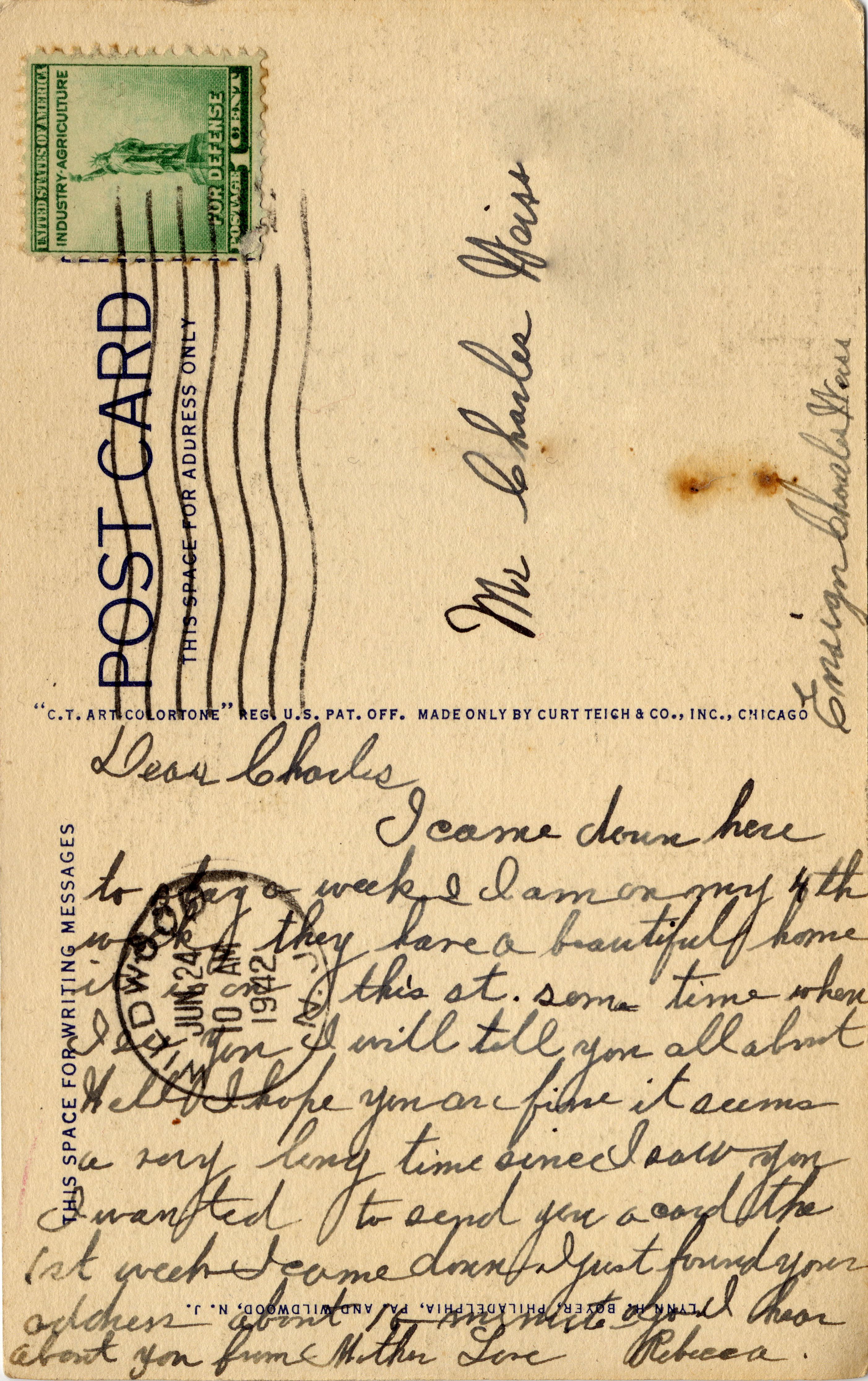
I finally wrote Charles a post card, but have yet to find the address. I may have to give up and call mother.  Maybe she can call his mother and get the address.

Rebecca
Dear Diary,

Margaret and I have taken to falling asleep on the couch every night. She reads to me until I fall asleep, and then must fall asleep soon after since I wake up every morning next to her. It is nice, and while I think my cousins disapprove (they have been visiting less and rarely ask me to the beach now). Auntie has been making an effort to invite me to lunch almost daily. She asks me lots of questions about staying with Margaret. I think she is a puzzle to them, nobody understands her. Auntie asks if she talks about any men, but I have to say I have never heard her mention any, except maybe someone named Sam whom I believe she dated. She does not speak of him often, but has slipped his name into conversation once or twice. He seems to be an old fling of hers who used to visit ever summer. I am worried he will visit soon (she said it is a possibility) because I am afraid he will take her away from me. She is the best friend I have ever had, and do not want to end up watching Jack Benny alone while she is out at the amusement park with him instead of me. Maybe she will invite me.

I got a letter from Charles, wanting to know how I am. I will get his address tomorrow, or the next day.

Rebecca

Dear Diary,

My fears have come true! Margaret came home today to find a note on the door from Sam. He is here for the week! I do not want to meet him, and Margaret seems uninterested in seeing him as well. I am not bringing him up at all for fear she will tell me that she will be busy with him all week. I hope not.

I found the note and read it, he signed off with “Love, Sam” which upset me. His writing looks a lot like mine, which is kind of odd.

I still need to call home and get Charles’ address. I feel terrible about it, but I am not sure what I would even tell him if I were to write him now.

Rebecca

Dear Diary,

All of my fears were silly! Sam is a girl. It is short for Samantha. And while I have to say she clearly does not like me, I am relieved. Although I am curious what made me think they were an item before. Samantha kept giving me dirty looks, and calling me Margaret’s girlfriend like it was a bad thing. Maybe I do not fully understand what is going on here.

I decided not to write Charles. I have nothing to say and can fill him in when I go home, whenever that will be.

Rebecca

Dear Diary,

Something has happened, dear diary, something I feel I can only tell you, the keeper of all of my secrets! Last night after a heated argument with Sam, Margaret was quiet. She sat in the kitchen for about an hour, and at first I thought she was crying and gave her space, but after a while I heard a crashing sound and I ran in to find her breaking dishes on the floor! I asked her what was wrong, and she said I would not understand. I sat down and refused to leave until she talked to me, and after a few minutes I realized her eyes were teary, and I knew I had to go to her and hug her. I was surprised to see her cry, she is such a strong woman.

So I went over and hugged her, and she pushed me away a bit, and then looked into my eyes. I’m almost afraid to even write this, but I know I can trust you, diary, and need to tell someone. She kissed me, hard on the lips. I was terrified and caught off guard. I did not expect it at all. I was a bit upset.

I am not upset with Margaret. I was troubled, and still am, because I liked it. And I did not stop her.

Rebecca

Dear Diary,

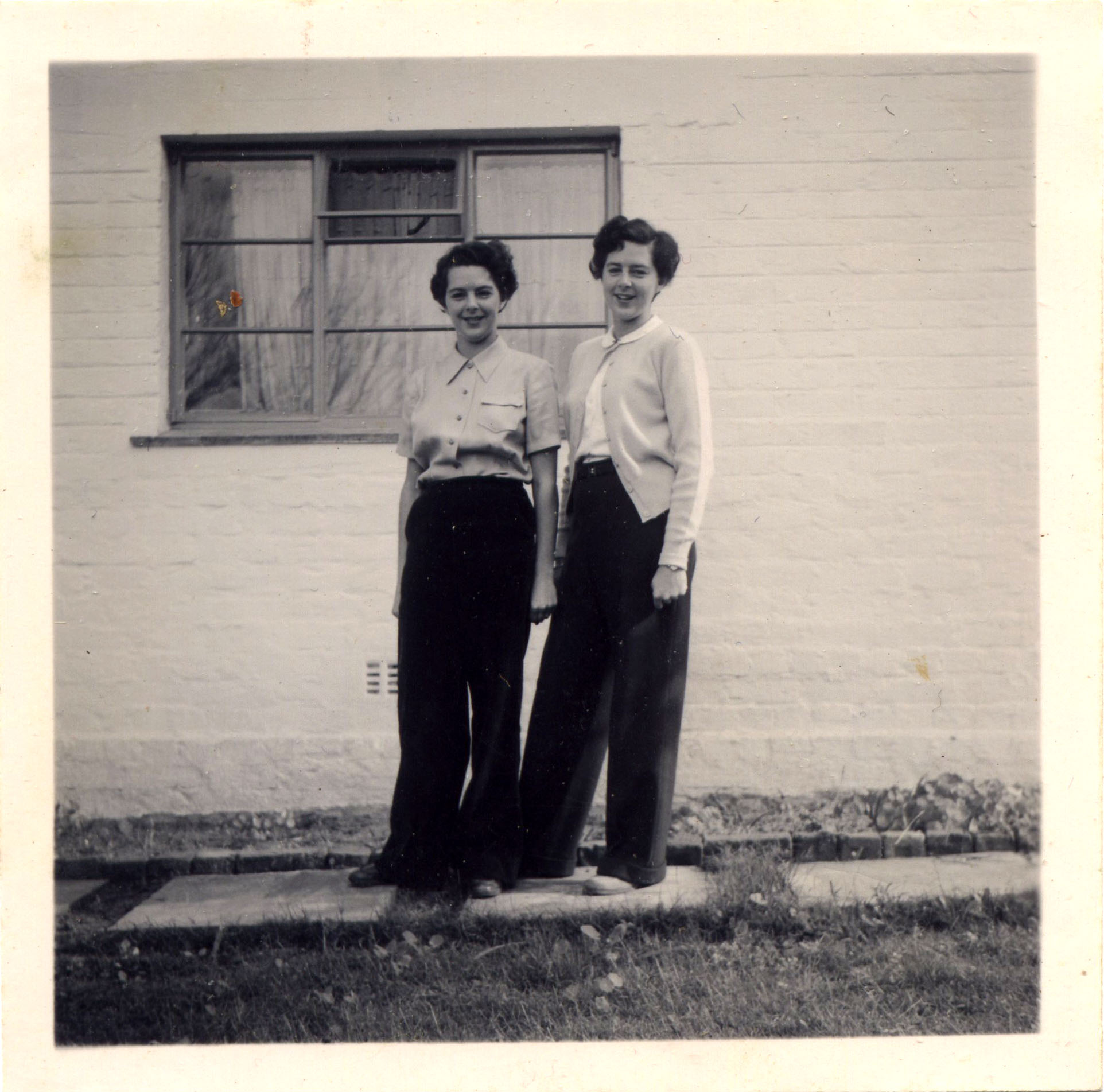
I’m sorry it’s been a few weeks! Everything has happened so fast. Margaret has taught me so much. I’ve gotten rid of the few dresses I had and am dressing more like Margaret now. A woman even asked us if we were sisters the other day! Margaret likes my new style, and I have to admit it is so uplifting to not worry about what boys think of me! I spend less time in my room primping and am really living life.
Also, I got a job! Margaret helped me, and now I work in the factory with her. I do not do anything with the machinery like she does, but I have an important job nonetheless. I am in shipping, where I make sure the packages are labeled correctly and they have the right contents. I got my first paycheck and took Margaret out for dinner to celebrate. My first paycheck, I never thought I would know the feeling of ‘bringing home the bacon’ as dad always called it. It makes me feel strong.

I have moved into the main bedroom with Margaret.

Rebecca

Dear Diary,

I could not ask for anything more. Life is better than I ever could have hoped! I am in love, I have a great job, and I have never felt so strong and independent. And I have Margaret to thank!

I asked her the other day what we were doing, and she explained that people all over the world are like us, but that they are forced to live in secret, which made me realize we too are keeping it a secret! She never holds my hand in public, and we only kiss in her house. I did not realize until now how hard these choices would make my life. But it is all worth it, I am in love with her, and she loves me (she told me last night!)

Work is great, I love it. I’ve been doing the food shopping since Margaret never has a lot of food in the house, and we have been cooking together. She has no idea what she is doing around the kitchen! I have been trying to teach her, but mostly give her easy jobs like cutting the vegetables or shucking the corn.

All is well. I am happy.

Rebecca

Dear Diary,

I am home now, and miserable. I’ve never felt so horrible in my life. It all started early this morning. There was a banging on the front door, and I jumped out of bed, my heart racing, and found my father at the door. He burst through, pushing me out of the way and waking Margaret, who came out in her pajamas.

He called her all kinds of names, words I have never even heard before, and she started trying to punch him. She gave him a shiner, but he refused to hit her back, he eventually just grabbed her wrists and pushed her onto the couch. Then he grabbed me and dragged me to the car, telling me to stay there while he gathered my belongings. I sat in the car out of fear. I feel stupid. I did not even get to say goodbye to her.

I could hear him yelling, and her yelling about how I was an adult and free to make my own choices. She followed him out as he carried my suitcase, hastily packed. Father got in and started the car, and she began yelling for me to get out of the car and stay. I started crying, but could not disobey my father. I waved goodbye and mouthed “I love you” to her, and she stopped chasing the car. My heart broke as I watched her get smaller out the back window.

I have not even left my room in the ten hours I’ve been here. When I opened my suitcase, the teddy bear she won for me that night was right on top, and I grabbed him and held him as tight as I could. My family has not said a word to me. My mother would not even look me in the eye, and did not even send up any food. Peter snuck me some cookies he had hidden in his room, and he told me he loved me, which made me cry more.

Now I am writing, and formulating my plan for tomorrow. There is a factory that hires women nearby, since there’s such a shortage of men ever since the war started. I will go there and try to get a job, and then I will start looking for my own place, save up money, and someday get back to Margaret. Wish me luck, diary.

Love,

Rebecca.
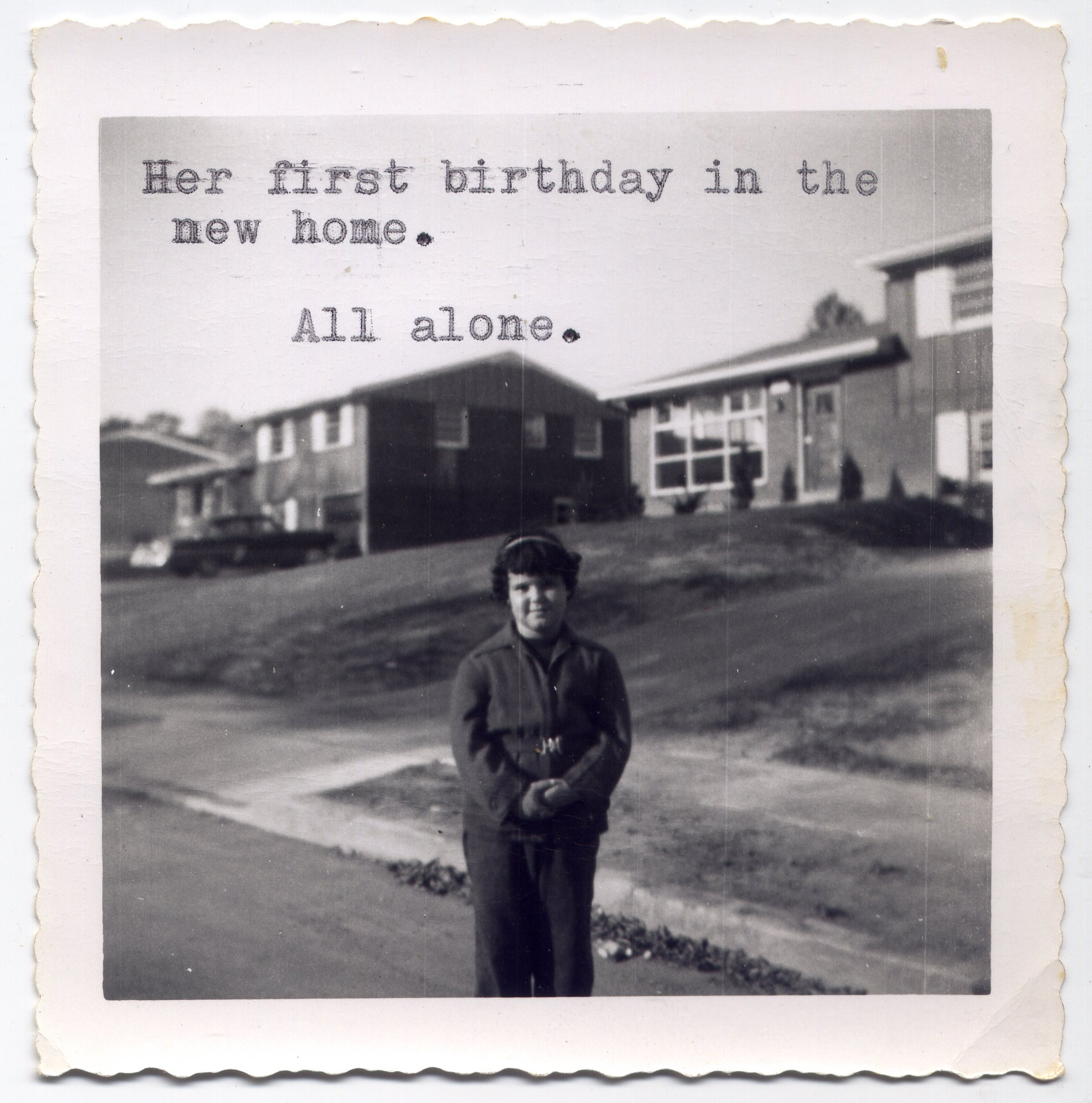
A Lonely Birthday

This print and many others are now available on my Etsy!

The Annual Dare

The Annual Dare

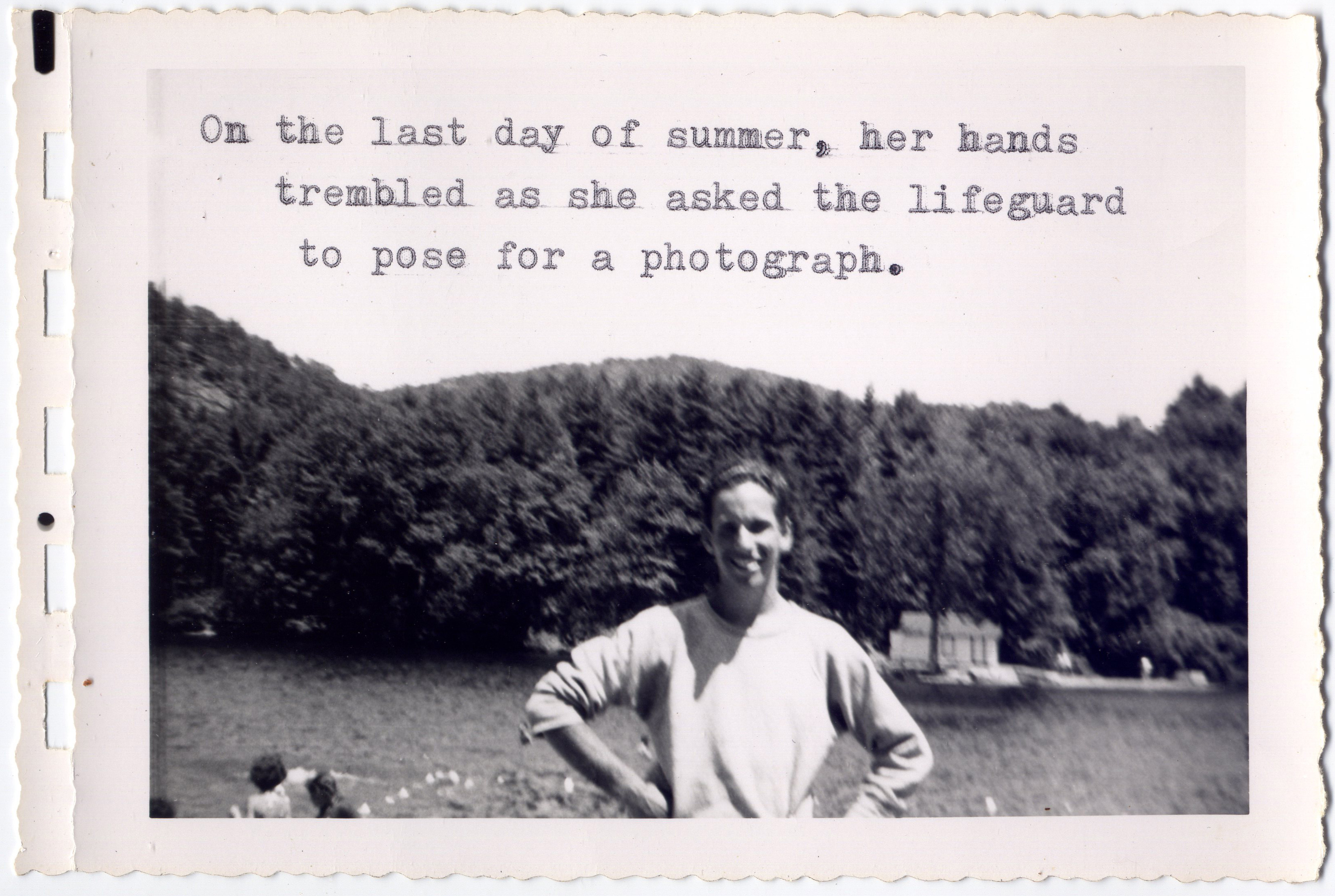
Created with a found photograph from the 1940s, my imagination and my typewriter.

Summer Crush

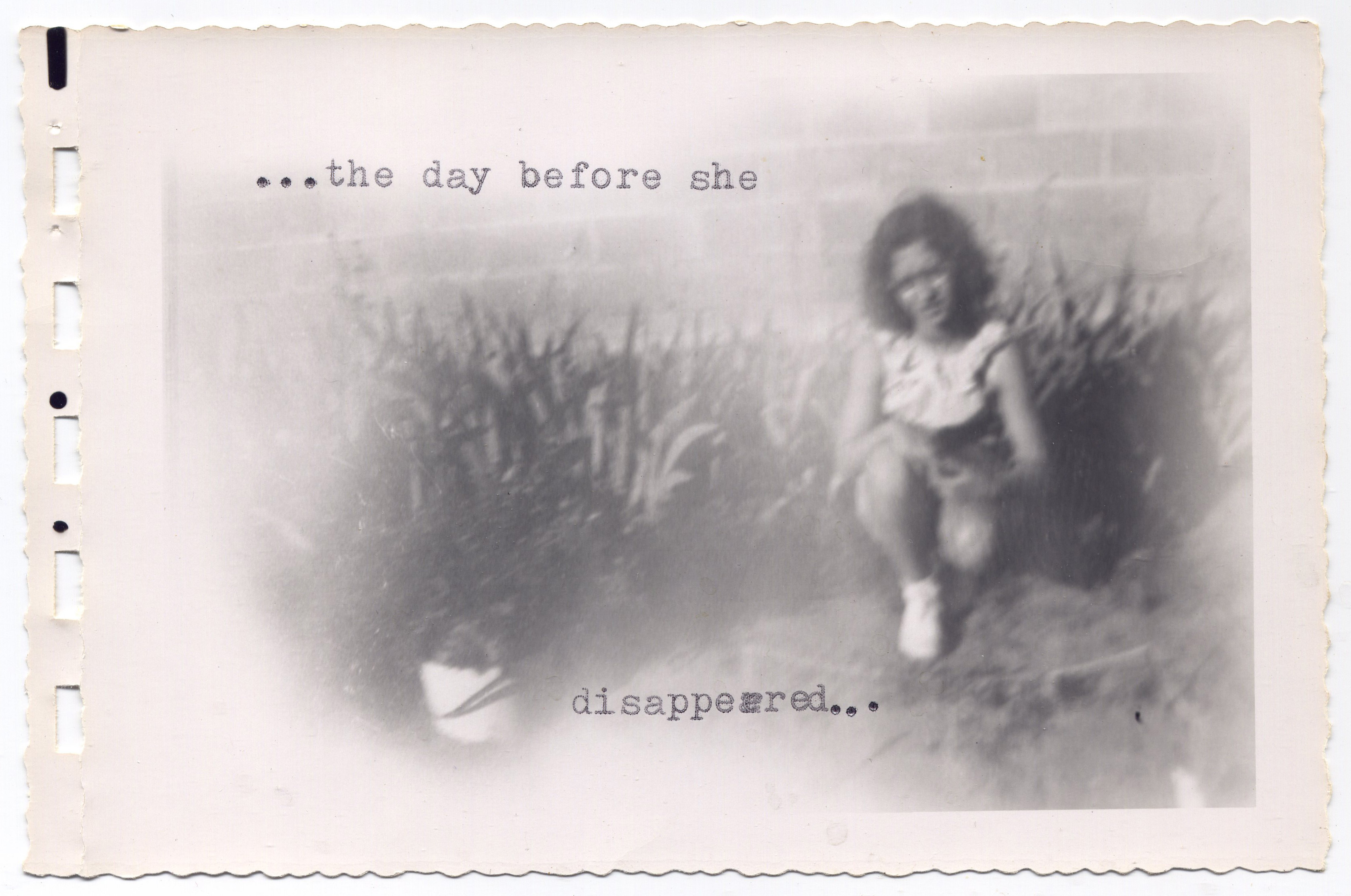
The Day Before…

Made with my Brother Charger 11 and my dark imagination…

Hank’s Troubles

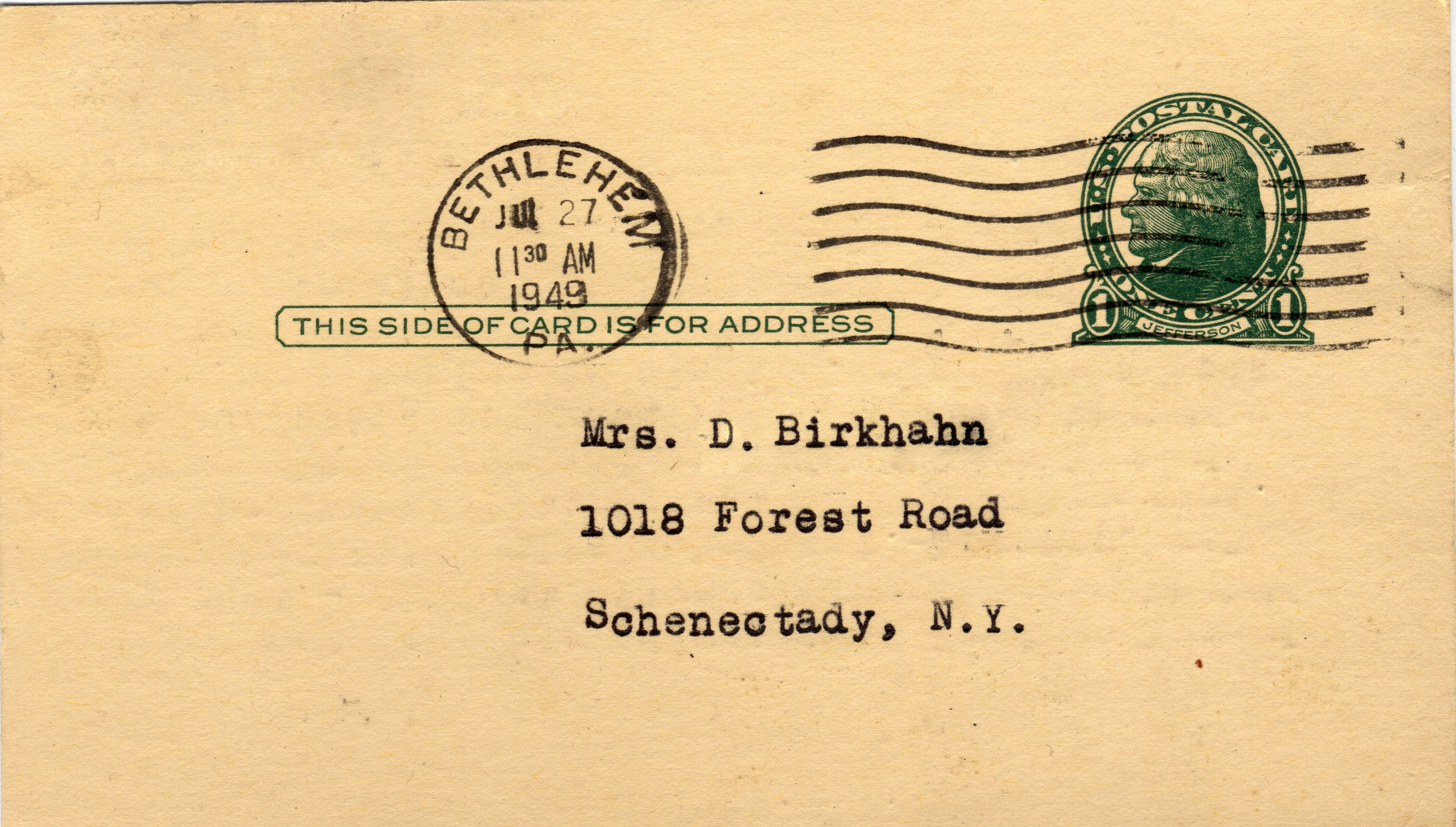
This story is based on a real postcard I found from 1949.  Make sure you read the actual postcard at the end of the story!  Enjoy!

Maxienne was cooking frantically in the kitchen, trying to watch all four burners at once, stirring, ladling, adding ingredients, chopping others, all with little Charlie crawling around her feet.  She tripped over him on the way to the counter to chop more onions.

“Really Charlie, I cannot wait until you’re napping again.  Tu est un menace!  At least your little sister sleeps during the day here and there,” she exclaimed in her heavy French accent.

Once chopped, Maxienne rushed back towards the frying pan, slipped on some sort of wet spot on the floor, regained her balance, and dropped all but three pieces of onion into the pan, the rest falling towards the floor.  Charlie looked up at the sound of the loud sizzle as they heated.  He smiled and started looking for whatever fell.

And at that, Charlie’s little sister, Mariette, started squealing from her crib, apparently awake from her nap.  Maxienne wiped her brow with a nearby towel, sweating from the heat of a New York City August.

“Hank?  HANK?  Mon dieu!  Could you please help in here, s’il vous plait?”  She waited, hearing no response.  “Hank?”  She turned the burner under the pan down and ran into one of the five rooms in their new apartment, looked around, and realized the room was empty.

“Ah!  This place is too big!”  She ran to the next room and picked Mariette up, running back towards the kitchen, causing her to sweat even more.  As she ran by the closed door she said, “Merci, Hank.  Thank you for all of the help!”  Not waiting for a response she headed right for the kitchen, where the pot full of sauce had started to boil over and splatter onto the kitchen wall.

“Damn!” She said, lunging for the knob on the oven.  Mariette squirmed in her hands, wanting to get down.  “Fine, you want down?  You can go down!”  She rushed the three feet to their living room and put Mariette on the couch, surrounding her with pillows.  At this, Charlie started crying.  “What now?”

Maxienne turned in time to see the onions were starting to burn, and quickly pulled the pan off the stove, a little oil jumping from the pan and onto her hand.  “MERDE!” she yelled.  Meanwhile, Charlie was still wailing as if in pain, so she lowered the sauce and ran to him, swiping him up in one fluid motion, spinning right back to the stove where she quickly stirred the pasta so it wouldn’t stick.  Then, her attention turned to Charlie, she tried to investigate why he’d suddenly started crying.

Something was lodged in his mouth, and as she fished it out, he bit her.  “Damn!” she yelled.  “Hank!  Would you PLEASE come in here?  Get out here and help!”  Still no answer, she went back into his mouth, fishing out one of the chunks of onion.  “That’s it, Charlie?  That?  It’s onion…it won’t kill you.”

Charlie, relieved to have the taste removed from his mouth, still frowned at her.  “Perhaps some milk,” she said, heading for the refrigerator.  She reached above it first, pulling down a package of French cigarettes, and quickly popped the package so one jumped into her mouth.  She pulled a glass and the bottle of milk out like someone who had done it a thousand times, and he had a sip of milk before she’d even put him back on the floor.  Charlie calmed, she leaned into the burner and lit the cigarette, the beads of sweat on her face reflecting the fire.  She turned her attention back to the stove, stirred the sauce, noticing it was a bit thick.  “Merde!” she said to herself.  “Hank!  I think I burned the sauce!”  She tasted it.  “I think I can save it,” she yelled again.  Still no response.

Maxienne checked the pasta, scooping a piece out on a wooden spoon and picking it up carefully between her freshly painted nails, and threw it against the wall.  It stuck for a second before falling off.  A few more minutes, she decided.

At that, a knock came at the door.  “Hank!  I do not suppose you could get that?”  She waited, expecting to hear the door of the bathroom open, but still nothing.  “Ah!” she growled to herself in anger, quickly drying her hands on the towel hanging from her apron.  She checked the onions, quickly threw the meatballs into the pan, jumped back from the sparks of oil that spurted from the pan, and ran towards the door, drying her hands yet again while watching the future meal over her shoulder.

She opened the door to find Pete, their door man.  “Hey there, Mrs. J!  Got your mail!  Sure smells good in there!  What are you making, meatballs?  Gravy smells great too!”

“Would you like one, Pete?  They’ll still be a few minutes at least…”

“No no, ma’am.  Thanks all the same though.  Let me grab these too for you!”  He picked up the empty milk bottles from the floor by the door.  “Can I help you with anything else?”

“Can you get my husband to give me a hand?” she asked with a sly smile.

He laughed.  “No can do, ma’am.  But if there’s anything else, let me know!”

“Merci, thanks Pete!  Maybe I’ll send some down for you when it’s done?”

“Thanks!” he said as he walked away.  She shut the door and ran back to the kitchen.  Flipped the meatballs.  Stirred the sauce.  Checked the pasta.  It was done, so she grabbed the potholders and emptied the hot water into the sink, watching some ashes fall from her cigarette into the pile of noodles.  She put down the pot, took out the ashen noodles, and threw them in the garbage.  Then she took a moment to tap her cigarette into a nearby ashtray on the kitchen table and wipe her brow of sweat yet again.

She put the sauce on low in time to notice the kids were quiet, checked on them, and found them asleep in the living room.  She sighed, relaxed for the first time all day, and dropped the meatballs one by one into the pot of sauce.  She put the lid on, dropped the pots into the sink, and sat at the table.

“Hank?”

“Hank?”

She pulled out a small box of post cards and the suitcase typewriter Hank had bought her for her last birthday and took the lid off.  Carefully putting the postcard under the plastic holder, she tapped her cigarette ashes into the tray again.

“Dinner will be ready in a few, if you’re hungry,” she yelled to Hank once more.  “I’m going to write a postcard to Lil.”  Still no answer.

She relaxed a bit more, sighed, and started typing.

The Letter

She always dreaded that the day would come.  He had been serving in the army for a second tour of duty, and she would often have nightmares of that fateful moment.  The men would come, dressed in their uniforms, and solemnly approach her home with that letter, the typed, impersonal apology from the United States government.

It had happened to Ethyl down the street, and she spent days there, consoling her, bringing casserole after casserole, returning home with the emptied dish every night with the knowledge that she would just have to fill it up again tomorrow, a shared sympathy.  After all, it could just as easily be Ethyl bringing the casseroles to her.

And then one evening, she was sitting watching the television when she heard a car coming down the street and just knew.  She got up, still dressed from her long day of shopping with Ethyl, attempting to keep her mind off of her loss, and she could see the car slowly driving down the street.  She watched from the window, lights off, praying that the car would just pass her house.

It pulled into her driveway, a long, black Buick, and the headlights illumined the space around her, through the window.  For some reason she grabbed her purse, an afterthought, or perhaps something to hold onto when the news came.  She watched as two older men in uniform got out of the car and straightened their shirts, double-checking for perfection.  Then one reached into his pocket and withdrew the envelope.

For a brief moment, she felt a breath on the back of her neck, and she turned and saw her husband there.  The men approached her stoop.

She reached out to touch him, and he smiled, just for a moment.  The men were at the door now.

His smile disappeared, and he nodded knowingly, reassuringly, and she knew what he was trying to tell her.  The men knocked.

She looked down at the carpet, freshly vacuumed, felt the gentle caress of his hand at the small of her back, and when she looked up he was gone.

The Lamentable Charles W. Berkhouse (A Story of Fiction)

This is the story of Charles W. Berkhouse.  If you’re looking for a happy tale, one that will make you smile at the end with a fortunate feeling in your heart, you’re in the wrong place.  This is the tragic story of a man’s miserable life, one in which the tragedy starts from the day he was born.

An orphan left on the steps of a nunnery, newborn Charles was found one fall morning wrapped in a blanket with a note pinned to the his diaper, two simple words scribbled messily “Unwanted child” on the back of a coupon for five cents off steak.  The nuns sent him to their orphanage, a bare-walled, refurbished insane asylum rented out by the church for such events.  It was fourteen years before an unwanted Charles would use a different return address, when he would leave the orphanage and get a job in an up-and-coming five and dime store in the city.

Years would pass, small promotions would come, leading him to his career as an underpaid traveling salesman for the same company he’d worked for his whole life.

As an adult, Charles eventually had it all, a wife, a child on the way, a good job, car, house with the white picket fence, everything a man in the 1940s could possibly want.  Until that fateful day when Eunice, his wife, went into labor a few weeks earlier than expected.

They lost the baby; she would have been a beautiful little girl.  They’d prematurely named her Elizabeth if she was a girl, Robert if he was a boy, Betty or Bobby.  But little Betty never had even a minute outside of the womb.  Eunice was devastated.

It wasn’t even two months later that Eunice was hit by a car, driven by another traveling salesman, a competitor of Charles.  The driver was quoted in the daily paper as saying, “I was driving my route, I sell car brakes you know, best in the business, and I don’t even know where she came from.  One minute the road was clear, the next…”

Charles was devastated.  His life insurance company wanted to investigate the accident before they paid out, but Charles quickly told them to forget about it.  He sold the house and poured himself into his job, staying in fleabag motels and dirty boarding homes on the road, never looking back.  He carried his few belongings in a small suitcase he’d bought at a garage sale, which proclaimed visits to Paris, Madrid, Rome and a few other exotic places, none of which Charles would ever see for himself.  All he would know were the small dying towns on his sales route, places long forgotten as time passed.

Every year, at some point, his route would bring him back to Middletown, New York, where both Eunice and Betty were buried.  He would stop by a florists, pick up some cheap flowers, after all, his route wasn’t what it used to be, and stop by for a quiet visit.  He wouldn’t speak or cry, he would just stand for exactly five minutes, timing it on his watch, and then move on towards his next appointment.

It wasn’t until his fifth visit that he first saw the dog, a golden blur shooting by in the corner of his eye.  He spun, looking for it, and finally saw it standing directly behind a nearby tombstone.  It panted and walked up to him slowly, trying to get Charles to pet him.  Charles, being an orphan, never had a pet, even when Eunice begged him repeatedly for a cat every time a holiday came around.  He just didn’t see the point.

And so, he reacted the way he always did when a pet wanted attention from him.  He turned and walked away.  After all, his five minutes were up, and he had to meet Mr. Moskewitz in fifteen minutes.

The next year, once again he found the dog there, begging for attention, and again Charles shunned the poor beast, leaving it whining behind him.  As he left, he saw the caretaker and felt a need to complain.

“Sir, I find it extremely distracting and inappropriate that you allow your dog to just run around willy-nilly like that.  This is a serious, somber place.  Not somewhere for a dog to playfully run around and, ahem, do his business one can only assume.”  The caretaker looked at him curiously.

“We don’t got no dogs here, buddy.  Not allowed on the premises.  Don’t know what you’re talking about.”

A year later, Charles once again found the dog near the grave, and once again ignored it.  But this time the dog walked up and started nuzzling his shin, and he kept trying to shoo it away with no luck.  Finally, he decided to look at the tag.  It had one simple letter in quotes, “E”.  He frowned and turned it over, looking for an address, but there wasn’t one.  The dog followed him out, only to get him a scolding from the caretaker, who reminded him that no dogs were allowed in the graveyard.

The following year, he expected to find the dog again, and was not disappointed when, as he approached the gravesite with his yearly small bouquet, the dog, E, once again jumped out from behind a nearby tree.  Charles walked up to it, let it sniff his hand and tried to pet it, at which E backed away from him.  He reached into his pocket and pulled out a dog bone he’d bought and tried feeding it to E, who just backed away more.  He left the treat on a small tombstone and went to his meeting with Mr. Meinheim.

Another year passed, and this time he was prepared with a leash, ready to capture this animal that was surely destined to be his companion in life.  He imagined the dog going on his route with him, visiting parks and fields, playing catch, having strangers take their photograph in each town, and even though he was awkward with animals, he liked the sound of it.  It was surely a sign that the dog was there every year, and that the caretaker didn’t recognize him as a common occurrence.  As Charles walked towards the spot excitedly, playing with the end of the leash in his pocket, he realized he’d forgotten the flowers.  He walked up and started looking for E, only to realize that the dog was nowhere to be found.

An Unlikely Start in Photography (A Story of Fiction)

I’ve been a photographer all my life.  No kidding.

It all started when I was six at my aunt’s wedding.  I don’t remember it perfectly, but pretend to remember it exactly how my dad tells it at every family event, be it Thanksgiving, Christmas, a birthday, or whatever.

I was sitting on the cold marble floor, squished between my father’s feet and the unpadded kneeler (we didn’t have it as nice as most churches do nowadays, the kneeler was little more than a piece of hardwood, a varnished board where we placed our knees whenever the priest told us to).  From my vantage point I had a limited view of the church itself, but a cornucopia of shoes to look at.  I could see my great grandmother’s old, wrinkly feet swelling out of a pair of old shoes.  I could see my Uncle Walter’s notoriously smelly feet that he chased me around with at our yearly summer vacations at the Jersey Shore.  I saw purses, umbrellas, tapping feet, bare feet taken out of painful shoes, and the general items you would see from down there.

“Pay attention!” my mom whispered every few minutes, as if I had any clue what was going on.  For a moment or two, so my dad says, I would climb back up into the pew, and feign listening to the music and the hundreds of quiet conversations between adults as they awaited the big moment.  And then I would be back down on the floor again, at this point trying to get out of the constrictive dress shirt I’d been forced into before we left.

And that was when I saw it. The bag, the big, black leather bag that dad took out for only special occasions.  It had his camera in it, this I knew, and I’d always been in love with his camera.  I was called a ham by my mother more than once, always smiling and changing my attitude as soon as it surfaced from it’s leather home.  I loved being in front of it, but especially loved the quick lessons dad had given me, even back then.  He loved talking about his electronics; he would have loved the digital age that he missed by a few decades.

So I wiggled over to it, through my father’s legs, and fought the button latch on the bag until it gave way.  Then I carefully took out the camera (he’d trained me well, and to this day I work gingerly with my equipment) and started by taking it out of the soft cloth he wrapped it in.  I saw the letters on it, spelling out B-R-O-W-N-I-E, and I ran my fingers over them, feeling the letters as I’d seen my dad do hundreds of times.  I looked up at him, and he was facing the pew behind him, along with my mother, apparently talking about the weather with my great-grandmother.  I unlocked the button I knew I had to push and started looking into the viewfinder at the world of people’s feet.  I took a few shots of feet in different directions, unnoticed by my father.

If I hadn’t stopped for a moment, I probably would have missed the hushing of the whole church, and it was the silence that caught my ears first.  Then the loud church music began, and everyone turned and looked towards the back of the church.  I wanted to know what was going on, but wasn’t ready to give up playing with the camera, so instead I peered around the side of the pew from the floor where I was sitting.

I could see my aunt, dressed in all white, walking down the aisle with my Poppop.  She had a see-through white cloth over her face, but I could tell it was her.  I thought she looked really pretty, and thought I should take a photograph so she could see how pretty she looked.  So I took a series of shots from where I was on the floor.

I realized as she passed that everyone was turning around, so I quickly put the camera back in its cloth and then returned it to its black leather home before my dad noticed.

Weeks later, my aunt visited.  She told us all about her honeymoon, whatever that was (back then I assumed it had to do with bees and the night sky) and thanked my dad for sending the film, which she had developed and could not stop talking about a few of the photographs.

My father beamed with pride, happy to hear how much she appreciated his work.  He was a bus driver by trade, but had always dreamed of being a professional photographer.  My aunt kept talking about a few of the pictures specifically, how they were so different and creative, and how none of her friends ever had photos like his to remember their wedding by.  Finally, she produced the album, and excitedly flipped to the photographs she had attributed to him, only to have him react with utter surprise.

“I didn’t take these.”

“But they came from your film!”

“I didn’t take them.  I didn’t even use my camera during the ceremony, the whole time it was right on the floor by…”

And then they all looked at me.  I smiled my biggest smile, as if they were taking my photograph.

Don’t forget to check back regularly as I continue the series of short fiction based on random old photos I find!